

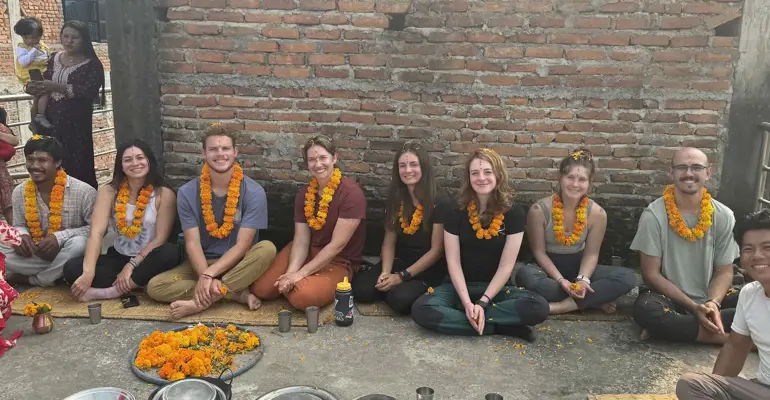
Tihar in Nepal: 5 Days of Lights, Love, and Living Gods
Tihar Festival in Nepal: A Beautiful Celebration of Lights, Love, Animals and Family
Experience the magic of Nepal's Festival of Lights – Discover the five days of Tihar, colourful decorations, traditional music, family gatherings and unique Nepali traditions.
Introduction: What Is Tihar Festival in Nepal?
Nepal is a country rich in culture, traditions, festivals and celebrations. Among its most beautiful and meaningful festivals is Tihar, also known as Deepawali or the Festival of Lights.
Tihar is one of the biggest Hindu festivals celebrated in Nepal, usually during October or November. It is a five-day festival dedicated to honouring animals, worshipping Goddess Laxmi, celebrating prosperity, strengthening family relationships and welcoming happiness into people's homes.
Unlike many festivals around the world, Tihar has a very special connection with animals. Crows, dogs, cows and oxen are honoured on different days because of their importance in human life and traditional beliefs.
During Tihar, cities, villages and towns across Nepal become colourful and lively. Houses are decorated with flowers, colourful lights, oil lamps (Diyo), beautiful Rangoli designs and traditional decorations. Families gather together, prepare delicious homemade food, exchange gifts and celebrate with music and dance.
One of the most exciting parts of Tihar is Deusi and Bhailo, when groups of people visit houses singing traditional songs, dancing and sharing blessings.
Let's explore each day of this wonderful festival and discover how Nepali people celebrate Tihar.
Day 1: Kaag Tihar – The Day of Crows
The first day of Tihar is known as Kaag Tihar, or Crow Worship Day.
In Nepali tradition, crows are considered messengers. According to traditional beliefs, they can carry messages and are sometimes associated with news and communication.
On this day, people prepare food, rice, grains and other offerings and place them outside their homes or on rooftops for crows.
The crow is worshipped with the belief that respecting and feeding these birds will help prevent bad news and bring peace and good fortune to the household.
Although it may seem like a simple tradition, Kaag Tihar carries an important message: every living creature has a place in nature and deserves kindness and respect.
Day 2: Kukur Tihar – The Day of Dogs
One of the most loved and internationally recognised days of Tihar is Kukur Tihar, the festival dedicated to dogs.
Dogs are considered loyal companions and protectors of humans. In Hindu tradition, they are also associated with Bhairav, a form of Lord Shiva, and are believed to be guardians.
On this special day, people across Nepal honour dogs by placing beautiful flower garlands (Mala) around their necks, applying a red Tika to their foreheads and offering delicious food.
Both pet dogs and street dogs are celebrated. People feed them with special meals and show them extra love and affection.
For many international visitors, Kukur Tihar is one of the most heartwarming cultural experiences in Nepal. Seeing dogs decorated with colourful flowers and Tika is a beautiful reminder of the importance of compassion towards animals.
The message of Kukur Tihar: Loyalty, friendship, gratitude and kindness towards all animals.
Day 3: Gai Tihar and Laxmi Puja – Worshipping Cows and the Goddess of Wealth
The third day is one of the most important days of Tihar. It is traditionally associated with Gai Tihar in the morning and Laxmi Puja in the evening.
Gai Tihar – The Day of Cows
Cows hold a special place in Nepali Hindu culture. They are traditionally respected as sacred animals and are associated with Goddess Laxmi, prosperity and motherhood.
On this day, people decorate cows with flower garlands, apply Tika to their foreheads and offer them food.
The cow is respected for its contribution to traditional agricultural life and for the nourishment it provides.
Laxmi Puja – Welcoming the Goddess of Wealth
As evening approaches, the entire country becomes illuminated with beautiful lights.
Laxmi Puja is dedicated to Goddess Laxmi, who represents wealth, prosperity, happiness and good fortune.
Families clean and decorate their homes, light traditional oil lamps (Diyo), place candles and colourful electric lights around their houses, and create beautiful Rangoli designs at their entrances.
One of the most interesting traditions is making a pathway from the entrance of the house towards the prayer room or household shrine. This pathway symbolically invites Goddess Laxmi into the home.
Families perform special prayers, offer flowers, fruits, sweets and traditional foods, and pray for prosperity and happiness throughout the coming year.
In cities such as Kathmandu, Pokhara and Bhaktapur, streets and neighbourhoods look particularly beautiful during Laxmi Puja, with houses decorated in colourful lights.
Deusi and Bhailo – Music, Dancing and Celebration
After the evening prayers, the streets become full of music and excitement.
Groups of children, teenagers and adults visit neighbouring houses singing traditional songs known as Deusi and Bhailo.
Bhailo is traditionally performed by groups of girls and women.
Deusi is traditionally performed by groups of boys and men.
Today, both traditions are enjoyed by people of different ages and genders.
Groups sing, dance, clap and perform traditional verses while homeowners welcome them with food, sweets and money as a gesture of appreciation.
Deusi and Bhailo are among the most joyful parts of Tihar, bringing communities together and keeping Nepali cultural traditions alive.
Day 4: Govardhan Puja, Goru Tihar and Mha Puja – Celebrating Nature, Agriculture and Life
The fourth day of Tihar has different traditions depending on the community and cultural background.
Govardhan Puja
Many Hindu families celebrate Govardhan Puja on this day.
The tradition is connected with Lord Krishna and the story of Govardhan Hill. According to Hindu mythology, Lord Krishna protected the people of Vrindavan by lifting Govardhan Hill to shelter them from heavy rain.
People worship Govardhan, often represented by a symbolic mountain made from cow dung, and offer prayers for protection, prosperity and a good harvest.
Goru Tihar – Honouring Oxen
Oxen have traditionally played an important role in Nepal's agricultural communities. They help farmers plough fields and support rural livelihoods.
On Goru Tihar, oxen are decorated with colourful garlands, Tika and other decorations. They are offered special food as a sign of gratitude for their hard work.
This tradition reflects the close relationship between Nepali communities, farming and nature.
Mha Puja – Worshipping Oneself
For the Newar community, the fourth day is particularly special because of Mha Puja, meaning the worship of oneself.
Mha Puja is a beautiful Newar cultural tradition that celebrates life, inner strength, health, happiness and spiritual well-being.
Families perform a special ritual, often sitting in a line while beautifully arranged Mandalas are placed in front of each family member. They receive offerings, flowers, sacred threads and blessings.
Mha Puja is also associated with the beginning of Nepal Sambat, the traditional Newar national calendar.
It represents a fresh beginning and reminds people to respect and appreciate their own lives.
Day 5: Bhai Tika – Celebrating the Bond Between Brothers and Sisters
The fifth and final day of Tihar is known as Bhai Tika, one of the most emotional and meaningful celebrations of the festival.
This day celebrates the special relationship between brothers and sisters.
Sisters apply a colourful seven-colour Tika, traditionally known as Saptarangi Tika, to their brothers' foreheads. They offer flower garlands, sweets, fruits and other gifts while praying for their brothers' long lives, good health, happiness and success.
Brothers also give gifts and blessings to their sisters as a sign of love and appreciation.
Families gather together, enjoy delicious meals and spend quality time with one another.
According to a popular traditional story, Bhai Tika is associated with Yama, the God of Death, and his sister Yamuna. The story symbolises the power of a sister's love, prayers and blessings for her brother's long life.
Bhai Tika is not simply a religious ceremony; it is a celebration of family, affection, respect and lifelong relationships.
For many Nepali families, it is one of the most special moments of the entire Tihar festival.
How Do People Celebrate Tihar Across Nepal?
Tihar is celebrated throughout Nepal, from the busy streets of Kathmandu to the peaceful villages of the Himalayan foothills.
Although the main traditions remain similar, celebrations can vary between communities and regions.
Here are some of the most beautiful things you will experience during Tihar:
1. Colourful House Decorations
People decorate their houses with marigold flowers, colourful lights, candles and traditional oil lamps. Beautiful Rangoli designs can be seen at the entrances of homes.
2. Traditional Nepali Food and Sweets
Families prepare delicious homemade dishes and sweets. Popular festival foods include Sel Roti, Fini Roti, Anarsa, different types of sweets, fruits and traditional meals.
Sel Roti, a ring-shaped rice-flour bread, is particularly popular during Tihar.
3. Deusi and Bhailo Performances
Groups of people visit houses singing, dancing and performing traditional songs. It is a wonderful way to experience Nepali hospitality and community spirit.
4. Family Gatherings
Tihar is a time when family members return home, meet relatives, exchange gifts and enjoy meals together.
5. Worship and Religious Traditions
People perform prayers and rituals to express gratitude, seek blessings and welcome prosperity into their lives.
6. Fireworks and Celebrations
In some places, people celebrate with fireworks and firecrackers, although their use is discouraged or restricted in many areas because of safety, noise and environmental concerns.
Why Is Tihar So Special in Nepal?
Tihar is more than a religious festival. It represents some of the most important values of Nepali society.
Respect for animals: Crows, dogs, cows and oxen are honoured for their connection with human life.
Family relationships: Bhai Tika celebrates the special bond between brothers and sisters.
Community spirit: Deusi and Bhailo bring neighbours and communities together.
Gratitude and prosperity: Laxmi Puja expresses hope for happiness, wealth and success.
Cultural identity: Traditional music, food, rituals and decorations help preserve Nepal's cultural heritage.
The festival reminds people to appreciate nature, respect living beings, value family relationships and celebrate life.
Tips for International Travellers Visiting Nepal During Tihar
If you are planning to visit Nepal during Tihar, it can be a wonderful opportunity to experience Nepali culture beyond the usual tourist attractions.
Here are a few helpful tips:
Enjoy the decorations: Walk around local neighbourhoods in the evening to see beautiful lights, oil lamps and Rangoli designs.
Experience Deusi and Bhailo: If you have an opportunity, watch a traditional performance and enjoy the festive atmosphere.
Try traditional food: Do not miss Sel Roti and other homemade festival delicacies.
Respect local customs: Always ask permission before photographing people, religious ceremonies or private family celebrations.
Plan transportation in advance: Some businesses and transport services may operate on reduced schedules during the festival.
Enjoy the hospitality: Nepali people are generally very welcoming, and you may be invited to share sweets or food during the celebrations.
Travel tip: Tihar is a great time to explore Kathmandu Valley, especially its traditional neighbourhoods, temples and historic towns. The festival offers a unique opportunity to understand the cultural side of Nepal.
Experience the Real Nepal with Nepal Dare Adventures
Nepal is not only about mountains, trekking, climbing and adventure. It is also a country of beautiful traditions, warm hospitality and unforgettable cultural experiences.
Festivals like Tihar offer travellers an opportunity to discover the heart of Nepali culture and understand the values that connect families and communities.
Whether you are exploring the historic streets of Kathmandu, visiting traditional villages, trekking through the Himalayas or enjoying an adventure in Nepal, experiencing local festivals can make your journey even more memorable.
At Nepal Dare Adventures, we believe that travelling is about more than visiting destinations. It is about discovering local cultures, meeting people and experiencing the traditions that make Nepal special.
Come and discover Nepal – its mountains, adventures, culture and traditions!
Nepal Dare Adventures – Discover More, Experience More!
Website: https://www.nepaldareadventures.com
Email: info@nepaldareadventures.com
Frequently Asked Questions About Tihar Festival in Nepal
1. What is Tihar Festival in Nepal?
Tihar is a five-day Hindu festival celebrated in Nepal, also known as the Festival of Lights. It celebrates animals, Goddess Laxmi, prosperity, family relationships and happiness.
2. When is Tihar celebrated in Nepal?
Tihar usually takes place in October or November according to the Nepali lunar calendar. The exact dates change every year.
3. How many days does Tihar last?
Tihar is traditionally celebrated over five days, with each day having its own religious and cultural significance.
4. Why do Nepali people worship dogs during Tihar?
Dogs are honoured for their loyalty, friendship and protective nature. People decorate them with flower garlands, apply Tika and offer them special food.
5. What is Laxmi Puja?
Laxmi Puja is the third day of Tihar, dedicated to Goddess Laxmi. Families clean and decorate their homes, light oil lamps and pray for prosperity and happiness.
6. What are Deusi and Bhailo?
Deusi and Bhailo are traditional Nepali songs and performances during Tihar. Groups visit houses singing and dancing while receiving food, sweets and money.
7. What is Bhai Tika?
Bhai Tika is the final day of Tihar. Sisters apply colourful Tika to their brothers and pray for their health, happiness and long lives.
8. What traditional food is eaten during Tihar?
Popular foods include Sel Roti, Fini Roti, Anarsa, sweets, fruits and traditional Nepali meals.
9. Can international tourists experience Tihar in Nepal?
Yes! International travellers can enjoy the festival by exploring local neighbourhoods, observing decorations, tasting traditional food and watching Deusi and Bhailo performances while respecting local customs.
10. Is Tihar the same as Diwali in India?
Tihar and Diwali share similarities, especially the worship of Goddess Laxmi and the lighting of lamps. However, Nepal's Tihar has its own distinctive five-day traditions, including the worship of crows, dogs and cows, Mha Puja and Bhai Tika.